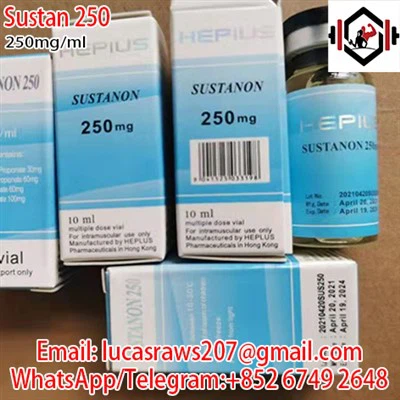


Introduction




Products Description
Classification (by use and quality standards)
1. Pharmaceutical-grade injectable preparations (Pharmacopoeia/GMP grade)
These products are intended for clinical treatment or the official pharmaceutical market. Their production and testing must comply with the requirements of the relevant pharmacopoeia and pharmaceutical quality management systems (e.g., GMP). They must pass sterility, endotoxin, and related physical, chemical, and microbiological tests, and be produced and released by qualified pharmaceutical manufacturers under standardized conditions.
2. Research/reagent-grade oils
These products are intended for research institutions, pharmacology and toxicology testing, or pharmaceutical research, and are typically labeled "Research Only." They have higher purity and impurity control requirements than industrial-grade preparations, but are generally not intended for human clinical use; their use should adhere to good laboratory practices.
3. Veterinary preparations
These products are manufactured for animal medical or animal husbandry use, with specifications, regulations, and quality standards that differ from those for human drugs. They are intended for specific animal species and uses.
4. Products from Informal/Underground Sources (High Market Risk)
Informally manufactured or distributed products often have uncertainties regarding purity, sterility, source of materials, and label authenticity, posing quality and regulatory compliance risks. High levels of vigilance are recommended.
Physicochemical Properties (Characteristics of Testosterone and Oil Formulation)
Key Information about the Active Ingredient Testosterone (often called Test Base) (Typical Reference)
* Chemical Formula and Molecular Weight: C₁₆H₂₈O₂, approximately 288.42 g·mol⁻¹.
* Physicochemical Form: The pure product is a crystalline solid (white or off-white crystals/powder); the molecule is hydrophobic and has a typical steroid backbone.
* Melting Point and Stability: Testosterone solid has a well-defined melting point range at moderate to high temperatures (literature values are generally in the range of approximately 153–157°C). It is stable in a dry, dark environment. However, exposure to light, oxygen, and moisture may result in some degree of degradation or oxidation. * Solubility: Extremely insoluble in water, but readily soluble in organic solvents (such as ethanol, chloroform, ether), vegetable oils, or medium-chain/long-chain triglyceride carriers. Its high lipid solubility makes oil formulations a common and stable dosage form.
Overall Physicochemical Properties of the Oil Formulation (Characteristics of the Finished Product at 100mg/ml, 10ml)
* Solution State: Homogeneous oil solution. Depending on the viscosity and clarity of the carrier oil, the finished product may be a clear liquid or slightly turbid.
* Color and Clarity: High-purity oil formulations without significant oxidation are typically light yellow to golden yellow clear liquids. Darker colors, turbidity, or precipitation may indicate issues with the raw materials, carrier, or storage conditions.
* pH and Ionization: These formulations are non-aqueous or slightly aqueous systems, so the concept of pH is not applicable to most oil formulations. Testosterone itself is a neutral molecule and does not exhibit strong acidic or alkaline properties. * Stability Factors: Light, heat, oxidants, and trace amounts of moisture can affect the stability of the finished product; adding antioxidants and choosing appropriate packaging (e.g., amber glass) can reduce the risk of deterioration.
Appearance and Color (Raw Material Powder vs. Finished Oil)
* Raw Testosterone Powder: Typically a white to off-white crystalline powder; high-purity products are whiter, while low-purity samples or those containing oxidative impurities may appear light yellow or off-white.
* 100mg/ml Finished Oil: When packaged in a 10ml vial, the liquid color typically ranges from nearly colorless and clear to light golden or amber. Color variations are primarily determined by the type of carrier oil, antioxidants, and raw material purity. The finished product should be free of suspended particles or insoluble precipitates (if present, further testing is required).
Formulation Component Overview (Conceptual Description, Does Not Include Operational Details or Preparation Steps)
A typical oil formulation consists of three components: the active pharmaceutical ingredient (testosterone base), a carrier oil (a plant oil or synthetic triglyceride, used to dissolve and dilute the active ingredient), and auxiliary ingredients (such as antioxidants and, in multi-dose formulations, preservatives). The specific carrier choice affects injection viscosity, color, drug release, and stability; auxiliary ingredients are used to extend shelf stability and prevent oxidation and microbial contamination. Please note that this information is conceptual and does not provide any production or formulation processes.
Benefits and Product Features (Why Use a 100mg/ml, 10ml Size Oil)
1. Balance between Concentration and Packaging: 100mg/ml is a common concentration in the industry, facilitating volumetric dosing and batch packaging. The 10ml single-bottle size facilitates a balance between production, transportation, and storage. 2. Oil Stability: For lipid-soluble molecules, oils effectively isolate aqueous hydrolysis pathways, reduce the risk of microbial growth (compared to aqueous formulations), and promote long-term storage stability.
3. Convenience of Preparation and Use: The finished product is a liquid formulation with a clear content per unit volume, which is easy to inspect for quality and suitable for subsequent packaging inspection and release management.
4. Strong Adaptability: The choice of oil carrier and the ratio of auxiliary ingredients enable the dosage form to adapt to different storage conditions and dosing requirements (subject to regulatory compliance).
Quality Control and Testing Key Points (Key Indicators to Ensure Product Fit for Purpose)
For any finished oil formulation intended for human or animal use, stringent quality control procedures should be implemented. Common and critical tests include, but are not limited to:
1. Product Authentication: Infrared spectroscopy (IR), nuclear magnetic resonance (NMR), mass spectrometry (MS), etc. are used to confirm the identity of the active ingredient.
2. Assay and Quantitative Purity: High-performance liquid chromatography (HPLC) or similar methods are used to determine the labeled content (in mg/mL) and assess the relevant impurity profile. 3. Residual Solvent Testing: If organic solvents are used during the production process, residual solvent testing is required to ensure compliance with safety limits.
4. Microbiological Testing: For injectable preparations or those intended for direct human contact, sterility testing and bacterial endotoxin (pyrogen) testing are required.
5. Physical Property Testing: Appearance, clarity, color, particle size, and viscosity are measured.
6. Stability Testing: Accelerated and long-term stability studies are performed to determine shelf life and storage conditions.
These tests should be conducted in a qualified testing laboratory in accordance with relevant regulations or pharmacopoeias, and batch inspection records and release documents should be maintained.
Packaging and Storage Recommendations (Compliance and Quality Maintenance)
1. Packaging: Small amber glass ampoules or multi-dose bottles are commonly used to reduce light exposure and provide mechanical protection. The packaging should contain clear label information (product name, concentration, batch number, expiration date, storage conditions, and manufacturer, etc.). 2. Storage Conditions: Avoid heat, light, and moisture. It is generally recommended to store in a cool, dry place within the temperature range indicated in the product insert. Avoid repeated severe vibration or prolonged exposure to high temperatures.
3. Waste Disposal and Safety: Medicated consumables should be handled as hazardous waste or medical waste and should not be discarded carelessly.
Regulatory, Compliance, and Ethical Considerations
1. Differences in Regulatory Status: The regulatory status of testosterone medications varies worldwide. In many jurisdictions, anabolic hormones like testosterone are controlled substances, requiring a prescription or specific license for their production, distribution, and use. Purchasing, possessing, or distributing unauthorized products may violate local laws.
2. Compliance with Regulations: Medicinal products intended for human use must be manufactured by licensed companies under conditions that meet the requirements of drug regulatory agencies and undergo clinical registration or filing procedures. Products for research or veterinary use also have corresponding regulatory requirements.
3. Risk Warning: Unlabeled, adulterated, or mislabeled products exist on the market. The use of untested or unidentified preparations carries serious health and legal risks. It is recommended that prescription medications be obtained through reputable medical channels and used under medical supervision.
Safety and Medical Warnings (Important)
This article is intended to provide information on product properties and quality management and does not constitute usage recommendations or medical advice. Any clinical use, dosing regimen, or personal use decisions involving testosterone preparations should be conducted under the guidance of a qualified medical professional and within the legal scope. Unauthorized use or use of products from unknown sources without medical supervision may pose serious health risks.
Conclusion
Test Base, a 100mg/ml, 10ml oil formulation, is a common dosage form in pharmaceutical, scientific, and veterinary applications. Its advantages lie in its stable drug release, ease of packaging, and ease of testing. Understanding its classification, physicochemical properties, appearance, quality control requirements, and regulatory compliance points will help practitioners, purchasers, and researchers make informed decisions about this type of product. Ultimately, the safe and compliant acquisition and use of any pharmaceutical preparation, under professional supervision, is fundamental to ensuring personal and public health safety. If you need further information about the test report or regulatory compliance details of a specific product batch, it is recommended to contact the manufacturer or local drug regulatory and medical professional organizations to obtain authoritative information.
Supported Payment Methods And Contact Us
Supported payment methods
We support multiple payment methods





Contact Us
You can contact us via WhatsApp, Telegram, Gmail, Proton Mail, etc.





Hot Tags: premium quality 100mg/ml test base(testosterone base) 10ml finished oil, China premium quality 100mg/ml test base(testosterone base) 10ml finished oil manufacturers, suppliers, factory, Drostanolone Prop and Masteron, Drostanolone Enanthate CAS 13425 31 5, Trenbolone Acetate Improve muscle texture, Sustan 250 Maintain muscle mass, Drostanolone enanthate Improve strength and endurance, Drostanolone prop and masteron Increase muscle firmness and mass