Selective Androgen Receptor Modulators (SARMs) are a class of therapeutic compounds that have similar anabolic properties to anabolic steroids, but with reduced androgenic (producing male characteristics) properties. As an example, the androgen receptor is activated by binding androgens, such as testosterone. Unlike anabolic steroids, which bind to androgen receptors in many tissues all over the body, individual SARMs selectively bind androgen receptors in certain tissues, but not in others. In medical settings, this could be very useful for stimulating specific tissue growth like muscle and bone, while avoiding unwanted side effects in other tissues like the liver or skin.
Advantages of SARMs
Muscle Recovery and Rehabilitation: SARMs like Ostarine MK-2866 are renowned for their ability to facilitate muscle recovery, making them invaluable in physical therapy and sports injuries rehabilitation protocols.
Enhancing Athletic Performance: Athletes looking to improve their performance in a safe and regulated manner often turn to SARMs for their ability to increase muscle mass and endurance without compromising health.
Injury Recovery and Prevention: The role of SARMs in injury recovery is substantial, with compounds such as Ligandrol LGD-4033 being sought after for their potent effects on bone density and muscle strength, aiding in faster recovery times and preventing future injuries.
Age-related Muscle Loss: SARMs are also being studied for their potential in combating sarcopenia, the age-related loss of muscle mass and strength, offering hope for improved quality of life among the elderly.
-
![Andarine(S4)Research Grade Compound | CAS 401900-40-1]() Andarine(S4)Research Grade Compound | CAS 401900-40-1In the rapidly evolving field of Selective Androgen Receptor Modulators (SARMs), Andarine (S4) has established itself as one of the most recognized and extensively studied compounds. Originally developed to explore treatments forread more
Andarine(S4)Research Grade Compound | CAS 401900-40-1In the rapidly evolving field of Selective Androgen Receptor Modulators (SARMs), Andarine (S4) has established itself as one of the most recognized and extensively studied compounds. Originally developed to explore treatments forread more -
![SR9009(Stenabolic)Analytical Reference Material | CAS 1379686-30-2]() SR9009(Stenabolic)Analytical Reference Material | CAS 137...In the evolving field of metabolic and circadian rhythm research, SR9009, commonly known as Stenabolic, has attracted considerable attention among scientists and research institutions. Although often associated with the broader category ofread more
SR9009(Stenabolic)Analytical Reference Material | CAS 137...In the evolving field of metabolic and circadian rhythm research, SR9009, commonly known as Stenabolic, has attracted considerable attention among scientists and research institutions. Although often associated with the broader category ofread more -
![YK11(Myostine) Laboratory Grade Material | CAS 1370003-76-1]() YK11(Myostine) Laboratory Grade Material | CAS 1370003-76-1Among the many compounds studied as selective androgen receptor modulators (SARMs), YK11 (Myostine) has attracted considerable attention due to its unique mechanism of action. Unlike traditional SARMs, YK11 not only exhibits selectiveread more
YK11(Myostine) Laboratory Grade Material | CAS 1370003-76-1Among the many compounds studied as selective androgen receptor modulators (SARMs), YK11 (Myostine) has attracted considerable attention due to its unique mechanism of action. Unlike traditional SARMs, YK11 not only exhibits selectiveread more -
![LGD-4033 (Ligandrol) Premium Research Chemical | CAS 1165910-22-4]() LGD-4033 (Ligandrol) Premium Research Chemical | CAS 1165...In the rapidly evolving field of Selective Androgen Receptor Modulators (SARMs), LGD-4033, commonly known as Ligandrol, has emerged as one of the most extensively studied compounds due to its exceptional receptor selectivity and favorableread more
LGD-4033 (Ligandrol) Premium Research Chemical | CAS 1165...In the rapidly evolving field of Selective Androgen Receptor Modulators (SARMs), LGD-4033, commonly known as Ligandrol, has emerged as one of the most extensively studied compounds due to its exceptional receptor selectivity and favorableread more -
![MK2866(Ostarine)SARMS RAW Supplier | CAS 841205-47-8]() MK2866(Ostarine)SARMS RAW Supplier | CAS 841205-47-8In the field of selective androgen receptor modulators (SARMs), MK-2866, commonly known as Ostarine, has attracted significant attention from researchers worldwide due to its well-documented pharmacological profile and broad applicationread more
MK2866(Ostarine)SARMS RAW Supplier | CAS 841205-47-8In the field of selective androgen receptor modulators (SARMs), MK-2866, commonly known as Ostarine, has attracted significant attention from researchers worldwide due to its well-documented pharmacological profile and broad applicationread more -
![GW501516 (Cardarine) Raw Powder Supplier | CAS 317318-70-0]() GW501516 (Cardarine) Raw Powder Supplier | CAS 317318-70-0GW501516 (Cardarine) raw powder supplier from China. High purity CAS 317318-70-0, COA available, worldwide shipping and wholesale supply.In the fields of modern sports science and metabolic research, GW501516 (Cardarine) has become one ofread more
GW501516 (Cardarine) Raw Powder Supplier | CAS 317318-70-0GW501516 (Cardarine) raw powder supplier from China. High purity CAS 317318-70-0, COA available, worldwide shipping and wholesale supply.In the fields of modern sports science and metabolic research, GW501516 (Cardarine) has become one ofread more -
![Bulk SARMs Supplier High Purity RAD140(Testolone)]() Bulk SARMs Supplier High Purity RAD140(Testolone)In the sophisticated landscape of modern selective androgen receptor modulators (SARMs), RAD-140 (Testolone) stands out as a benchmark compound due to its exceptional tissue selectivity and potent anabolic efficacy. As a non-steroidal,read more
Bulk SARMs Supplier High Purity RAD140(Testolone)In the sophisticated landscape of modern selective androgen receptor modulators (SARMs), RAD-140 (Testolone) stands out as a benchmark compound due to its exceptional tissue selectivity and potent anabolic efficacy. As a non-steroidal,read more -
![STROMUSC SARMS 10mg Aicar(Acadesine)100 Tablets]() STROMUSC SARMS 10mg Aicar(Acadesine)100 TabletsAicar, or 5-aminoimidazole-4-carboxamide ribonucleotide, is a compound garnering widespread attention in research, exercise, and potential metabolic disease intervention. It first entered the scientific landscape due to its ability toread more
STROMUSC SARMS 10mg Aicar(Acadesine)100 TabletsAicar, or 5-aminoimidazole-4-carboxamide ribonucleotide, is a compound garnering widespread attention in research, exercise, and potential metabolic disease intervention. It first entered the scientific landscape due to its ability toread more -
![STROMUSC SARMS 25mg MK2866(Ostarine)100 Tablets]() STROMUSC SARMS 25mg MK2866(Ostarine)100 TabletsMK2866, also known as Ostarine or Enobosarm, is a selective androgen receptor modulator (SARM). Since its development, it has garnered widespread attention in the fitness and research communities for its relatively mild yet highlyread more
STROMUSC SARMS 25mg MK2866(Ostarine)100 TabletsMK2866, also known as Ostarine or Enobosarm, is a selective androgen receptor modulator (SARM). Since its development, it has garnered widespread attention in the fitness and research communities for its relatively mild yet highlyread more -
![STROMUSC SARMS 10mg LGD-4033(Ligandrol)100 Tablets]() STROMUSC SARMS 10mg LGD-4033(Ligandrol)100 TabletsLGD-4033 (chemical name: Ligandrol, also known as VK5211) is a selective androgen receptor modulator (SARM) that has attracted significant attention in the fields of bodybuilding, strength training, and rehabilitation medicine for its highread more
STROMUSC SARMS 10mg LGD-4033(Ligandrol)100 TabletsLGD-4033 (chemical name: Ligandrol, also known as VK5211) is a selective androgen receptor modulator (SARM) that has attracted significant attention in the fields of bodybuilding, strength training, and rehabilitation medicine for its highread more -
![STROMUSC SARMS 10mg SR9009(Stenabolic)100 Tablets]() STROMUSC SARMS 10mg SR9009(Stenabolic)100 TabletsSR9009, also known as Stenabolic, is a synthetic Rev-Erbα agonist developed by the Scripps Research Institute in the United States. It has garnered widespread attention in the fields of fitness, endurance sports, and metabolic research,read more
STROMUSC SARMS 10mg SR9009(Stenabolic)100 TabletsSR9009, also known as Stenabolic, is a synthetic Rev-Erbα agonist developed by the Scripps Research Institute in the United States. It has garnered widespread attention in the fields of fitness, endurance sports, and metabolic research,read more -
![STROMUSC SARMS 10mg GW501516(Cardarine)100 Tablets]() STROMUSC SARMS 10mg GW501516(Cardarine)100 TabletsSTROMUSC brand GW501516 (also known as Cardarine) is a highly purified, selective PPARδ (peroxisome proliferator-activated receptor delta) agonist produced in a precisely formulated 10mg solid tablet for use as an adjunct for athletes,read more
STROMUSC SARMS 10mg GW501516(Cardarine)100 TabletsSTROMUSC brand GW501516 (also known as Cardarine) is a highly purified, selective PPARδ (peroxisome proliferator-activated receptor delta) agonist produced in a precisely formulated 10mg solid tablet for use as an adjunct for athletes,read more


Why Choose Us
Our Factory
The factory of Auctus Steroid Pharma Co., Ltd is located in the scenic high-tech industrial park of Wuhan City, Hubei Province, covering an area of 240,00 square meters. It has modern production plants, R&D centers and warehousing and logistics centers.
ISO Certification
Obtain relevant certifications from ISO (International Organization for Standardization), such as ISO 9001 quality management system certification, ISO 14001 environmental management system certification, etc., to prove the company's capabilities in quality management, environmental protection, etc.
Regional Market
Auctus Steroid Pharma Co., Ltd is sold worldwide, especially in North America and Europe. These regions have an urgent need for efficient and safe weight loss drugs, providing a good market environment for the company.
After-Sales Service
Establish a customer care system, regularly greet customers through phone calls, emails, text messages, etc., and pay attention to customers' physical condition and fitness progress.For long-term customers or important customers, provide exclusive customer service manager services to provide more intimate and personalized services.
SARMs Possible Therapeutic Applications
Due to their tissue selectivity, SARMs have the potential to treat a wide variety of conditions, including debilitating diseases. They have been investigated in human studies for the treatment of osteoporosis, cachexia, benign prostatic hyperplasia, stress urinary incontinence, prostate cancer, and breast cancer and have also been considered for the treatment of Alzheimer's disease, Duchenne muscular dystrophy, hypogonadism and as a male contraceptive.
Benign prostatic hyperplasia
In rat models of benign prostatic hyperplasia (BPH), a condition where the prostate is enlarged in the absence of prostate cancer, SARMs reduced the weight of the prostate.OPK-88004 advanced to a phase II trial in humans, but it was terminated due to difficulty in measuring prostate size, the trial's primary endpoint.
Cancer
SARMs may help treat AR and estrogen receptor (ER) positive breast cancer, which comprise the majority of breast cancers.AAS were historically used successfully to treat AR positive breast cancer, but were phased out after the development of antiestrogen therapies, due to androgenic side effects and concerns about aromatization to estrogen (which does not occur with SARMs). Although a trial on AR positive triple negative breast cancer (which is ER-) was ended early due to lack of efficacy, enobosarm showed benefits in some patients with ER+, AR+ breast cancer in a phase II study. In patients with more than 40 percent AR positivity as determined by immunohistochemistry, the clinical benefit rate (CBR) was 80 percent and the objective response rate (ORR) was 48 percent—which was considered promising given that the patients had advanced disease and had been heavily pretreated.
Bone and muscle wasting
There are no drugs approved to treat muscle wasting in people with chronic diseases, and there is therefore an unmet need for anabolic drugs with few side effects. One aspect hindering drug approval for treatments for cachexia and sarcopenia (two types of muscle wasting) is disagreement in what outcomes would demonstrate the efficacy of a drug. Several clinical trials have found that SARMs improve lean mass in humans, but it is not clear whether strength and physical function are also improved. After promising results in a phase II trial, a phase III trial of was proven to increase lean body mass but did not show significant improvement in function. It and other drugs have been refused regulatory approval due to a lack of evidence that they increased physical performance; preventing decline in functionality was not considered an acceptable endpoint by the Food and Drug Administration. It is not known how SARMs interact with dietary protein intake and resistance training in people with muscle wasting.
Phase II trials of for stress urinary incontinence—considered promising, given that the levator ani muscle in the pelvic floor has a high androgen receptor density—did not meet their endpoint and were abandoned.
Unlike other treatments for osteoporosis, which work by decreasing bone loss, SARMs have shown potential to promote growth in bone tissue.
Types of SARMs


Nonsteroidal SARMs: Alternative to Androgenic-Anabolic Steroids
Discovered in the late 1990s, SARMs are performance-enhancing agents that stimulate anabolism (i.e., increase muscle mass and strength) and facilitate recovery from exercise.SARMs are not anabolic steroids; rather, they are synthetic ligands that bind to androgen receptors (ARs).Depending on their chemical structure, they function as full agonists, partial agonists, or antagonists.Each SARM-AR complex possesses a different conformation, and various tissues (e.g., skeletal muscle, bone, prostate, brain, skin, liver) display a unique pattern of AR expression.It is, thus, in a tissue-selective manner that SARMs mediate coregulators and transcription factors or signaling cascade proteins to promote anabolic activity.Nonsteroidal SARMs serve as an attractive alternative to anabolic-androgenic steroids because they have fewer limitations.In contrast to steroidal androgen preparations, SARMs display high oral bioavailability. Nonsteroidal SARMs also exhibit diminished androgenic activity because they are not metabolized to dihydrotestosterone (DHT) by 5 alpha-reductase, an enzyme that is highly expressed in androgenic tissues.They are also not metabolized to estrogen by aromatase.For these features combined, nonsteroidal SARMs have been deemed to be advantageous over their steroidal counterparts.Indeed, SARMs have shown substantial therapeutic promise for male contraception and in the treatment of osteoporosis, prostate cancer, sexual dysfunction, benign prostatic hyperplasia, Alzheimer's disease, muscular dystrophy, breast cancer, and muscle wasting associated with cachexia and sarcopenia.Fueled, at least in part, by the perception that SARMs are safer than anabolic steroids, recreational users are now leveraging the various anabolic profiles of different SARMs to selectively achieve results in terms of “bulking” and “cutting.” Bulking refers to a muscle-gaining phase that combines a weight-gain diet with intense weight training, whereas cutting refers to a fat-losing phase that combines adherence to a strict weight-loss diet with aerobic exercise and less-intense weight training. Anecdotal evidence claims that different SARMs yield different results in terms of bulking versus cutting, which is why bodybuilders and other fitness enthusiasts commonly use them in combination (or stacked) with each other.
Ostarine/Enobosarm/GTx-024/MK-2866/S-22
Ostarine is an orally bioavailable, nonsteroidal SARM that was developed by Gtx, Inc. in the late 1990s primarily for the treatment of muscle wasting and osteoporosis. Ostarine is the best clinically characterized SARM. The few published clinical trials have examined its potential for treating skeletal muscle deficits seen with stress urinary incontinence, breast cancer, non–small-cell lung cancer, and cancer-related cachexia. In clinical trials conducted thus far, a significant increase in total lean body mass was consistently observed, including in cancer patients. In some studies, there was also an accompanying decrease in total fat mass with no difference in total body weight.Common low-grade side effects included headache, nausea, fatigue, and back pain.Other observed effects were transient elevation in the alanine transaminase (ALT), reductions in high density lipoprotein (HDL), blood glucose, insulin, and insulin resistance.These altered parameters all returned to normal upon cessation of treatment. Information provided on personal blogs and commercial websites advises fitness and bodybuilding enthusiasts to supplement with ostarine at dose ranges from 10 mg to 30 mg for at least 12 weeks.These doses are times those studied clinically. Anecdotal evidence suggests that taking ostarine at these high doses over this extended time period can adversely lead to lowered testosterone levels.The side effects of decreased testosterone include reduced sex drive, erectile dysfunction, infertility, muscle weakness, loss of bone density, weight gain accompanied by increased body fat, insomnia, and depression.Potential drug-drug interactions between ostarine (and its major metabolite) and itraconazole, probenecid, celecoxib, and rosuvastatin have been examined with little evidence of clinically relevant drug interactions.According to one website promoting SARMs, it is recommended that SARMs be “stacked” for enhanced and differential benefits.Whether taking higher doses of multiple SARMs chronically poses a risk for adverse drug-drug interactions remains unknown.
Ligandrol/LGD-4033/VK5211
Ligandrol is another orally bioavailable SARM. Developed by Ligand Pharmaceuticals, there has been only one clinical trial involving the drug.20 In the placebo-controlled study, 76 healthy men were randomized to placebo or 0.1 mg, 0.3 mg, or 1.0 mg LGD-4033 daily for 3 weeks. The drug was well tolerated, with no serious adverse drug-related events. Hemoglobin, prostate-specific antigen, aspartate aminotransferase (AST), ALT, and QT intervals were not altered at any dose. At the 1.0 mg dose, follicle-stimulating hormone and free testosterone were significantly suppressed; there was no change in luteinizing hormone. Hormone levels returned to normal when the treatment was discontinued. Lean body mass increased dose-dependently, but there were no statistically significant changes in fat or appendicular skeletal muscle mass. Strength and stair-climbing speed and power trended toward a dose-dependent improvement but were not statistically significant. Total and low density lipoprotein (LDL) cholesterol did not change significantly from baseline at any dose. Although HDL increased at the 0.3 and 1.0 mg doses, it returned to normal upon discontinuation. Triglyceride levels decreased from baseline at all doses. Headache and dry mouth were the most common side effects.
Testolone/RAD-140
Testolone is a SARM used primarily for the treatment of muscle wasting and breast cancer. Developed by Radius Health, Inc., Testolone is reportedly still in first-stage clinical trials, with results expected later this year. Thus, little is currently known about its safety. One recent case report, however, describes significant liver injury in a 49-year-old man who had taken the drug (dose not reported).21 Elevations in bilirubin, AST, ALT, and creatinine indicated mixed hepatocellular-cholestatic liver injury. Liver histology also revealed inflammation. However, all liver tests had completely normalized at 12 months following his initial presentation. For gaining lean muscle mass and strength in the gym, SARMs users anecdotally recommended that Testolone be taken at 5 mg to 30 mg daily for 8 to 16 weeks.23 There is additional anecdotal evidence of side effects including sleeplessness and lethargy.
Andarine/GTx-007/S-4
To date, there are no human clinical studies with Andarine. In the fitness community and on various online forums, it is touted as a muscle-boosting supplement that elicits weight loss and promotes muscle building and repair.However, it is regarded as being comparatively weaker than other popular SARMs, so it is commonly stacked with other SARMs.Using Andarine by itself at 25 mg per day purportedly improves mood and general wellness, whereas increasing the dose to 50 mg per day only modestly boosts strength, lean mass, and fat burning. For bulking, it is recommended that Andarine (50 mg) be stacked with Testolone (10 mg) daily for 8 to 12 weeks.For strength, it is suggested that Andarine (50 mg) be stacked with Ligandrol (10 mg) daily for 2 to 3 weeks.For cutting, it is advised that it (25 mg) be stacked with Cardarine (20 mg, a non-SARM, paroxisome proliferator-activated receptor-delta agonist) daily for 12 weeks.For body recomposition (i.e., simultaneously losing fat and gaining muscle), it is recommended that Andarine (50 mg) be stacked with both Ostarine (25 mg) and Cardarine (20 mg) daily for 9 to 12 weeks.25 The primary side effects reported with Andarine are altered vision (i.e., yellow-tinged) and suppression of testosterone.
Are SARMs Safe
Most of the SARMS that have been developed so far are sought to overcome the potential virilisation and/or aromitisatizing effects of steroidal androgens. This was achieved by searching for tissue selective agonists of the AR that could potentially active the AR in specific tissues whilst sparing others.
The SARMS currently developed are non-steroidal, which means they are not susceptible to the enzymatic metabolism of target tissues. Remember, there were certain enzymes that converted DHT into metabolites, or synthesised testosterone from the precursor androstenedione, SARMS are not affected by these enzymes. This means that the SARMS do not convert or break down into the unwanted molecules that cause side effects, like DHT and estrogen.
The anabolic-to-androgenic ratio of steroids is 1:1. That is, you get the muscle building the same effect as you may get man boobs for example. This is where SARMS can come into play. They are more selective in boosting the anabolic effects of muscle building rather than causing the androgenic side effects. This ratio can start as little as 3:1 or go as high as 10:1.
SARMS are a group of synthetic drugs that mimic the effects of testosterone in muscle and bone with minimal impact on other organs and reduced side effects COMPARED to that of anabolic agents. The theory therefore is that you can have the perks of steroids without the side effects.
SARMs Proper Dosage and Usage
Once you've chosen a SARM, following proper dosage and usage guidelines is important to ensure you maximize its benefits and minimize potential risks. Here are some general guidelines for using SARMs
Start with a low dosage
It's always best to start with less dosage and gradually increase it over time to assess your body's response and tolerance.
01
Follow a cycle
SARMs should be used in cycles, typically lasting 8-12 weeks, with a break period in between cycles to allow your body to recover.
02
Consider post-cycle therapy (PCT)
Depending on the SARM and dosage, a PCT may be necessary to help restore natural testosterone production and minimize potential side effects.
03
Monitor for side effects
While SARMs are generally considered safe when used responsibly, they can produce side effects, including acne, hair loss, and decreased libido. If you face any adverse effects, stop using the SARM and consult with a healthcare professional.
04
At What Temperature Should SARMs Be Stored
As with most medical compounds, SARMs need to be stored at certain temperatures to keep things ‘safe' and ‘medically sound'.
The United States Pharmacopoeia (USP) recommends that medication storage temperatures should be maintained between 15 degrees C and 30 degrees C (59 degrees F to 86 degrees F).
This temperature range is considered optimal for preserving the stability and efficacy of many pharmaceutical compounds.
However, it's crucial to note that specific recommendations for SARMs may vary, given their unique chemical properties and formulations.
Since SARMs have not been approved by the FDA (yet), we do not know the specific temperatures at which SARMs need to be stored.
However, based on the general principles of pharmaceutical storage, it is advisable to keep SARMs within a similar temperature range as recommended by the USP.
Storing SARMs in a cool, dry place away from direct sunlight and heat sources is a prudent practice.
Exposure to extreme temperatures, whether too hot or too cold, can potentially compromise the integrity of these compounds, leading to a loss of potency.
In the absence of explicit guidelines, users should rely on the manufacturer's recommendations and take extra precautions to avoid temperature fluctuations.
Using a dedicated storage space, such as a medicine cabinet or a refrigerator, can help maintain a consistent temperature for SARMs.
Regular monitoring of the storage environment and adherence to good storage practices contribute to ensuring the longevity and effectiveness of these compounds.
FAQ
Q: What exactly does SARMs do?
A: In 1998, researchers discovered a new class of non-steroidal compounds, the SARMs. These compounds selectively stimulate the androgen receptor, offering potent effects on bone and muscle to increase bone density and lean body mass while having minimal impact on reproductive tissues.
Q: Do SARMs show up on a drug test?
A: Ostarine and similar SARMs also might cause positive results if you are tested for steroids. Importantly, use of SARMs might interfere with the natural release of your own testosterone.
Q: What is the most researched SARM?
A: Though ostarine is the most well-studied compound, a number of other SARMs have also been shown to have benefits in muscle, or are currently being evaluated in trials , though none are currently investigating an effect on bone.
Q: How long do SARMs stay in your body?
A: Both SARMs are detectable in urine for approximately 2 weeks after a single dose of 60 mg of andarine and 30 mg of ostarine. Table 1. Tentative structure of andarine and ostarine metabolites and SRM transitions used for their detection. Position of glucuronide and sulfate may vary.
Q: What is the best SARM for bone density?
A: The selective androgen receptor modulator ostarine has been shown to have advantageous effects on skeletal tissue properties, reducing muscle wasting and improving physical function in males.
Q: What is the half-life of SARMs?
A: SARMs are orally administered with a half-life of about 24 h for ostarine and a relative short half-life (around 4 h) for andarine.
Q: What's the difference between SARMs and peptides?
A: Peptides, are like SARMS, but not quite as popular. Peptides is the growing trend in the gym community, but unlike SARMS or Anabolic steroids, Peptides are short chains of amino acids. They're linked by peptide bonds, causing muscular health or some sort of Amino Acid change in the body.
Q: Do SARMs increase bone mass?
A: Preclinical studies have demonstrated the ability of SARMs to increase muscle and bone mass in preclinical rodent models with varying degree of prostate sparing.
Q: Do SARMs affect the prostate?
A: The unique pharmacological activity of selective androgen receptor modulator (SARM) MK-4541 recently has been reported as an AR antagonist with 5α-reductase inhibitor function. The molecule inhibits proliferation and induces apoptosis in AR positive, androgen dependent prostate cancer cells.
Q: Do SARMs affect your bladder?
A: Treatment with SARMs could be a more effective modality for the treatment of SUI than DHT, without affecting bladder function, by enhancing smooth- and striated muscle-mediated urethral function under stress conditions such as sneezing.
We're professional sarms manufacturers and suppliers in China, providing high quality customized service with low price. We warmly welcome you to buy sarms for sale here from our factory. Also, quotation is available.
-
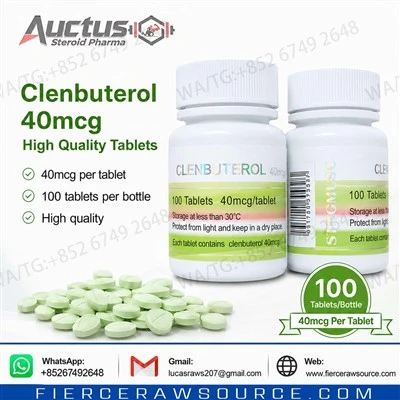
![40mcg Clenbuterol Bulk Tablet Manufacturing Supplier]() 40mcg Clenbuterol Bulk Tablet Manufacturing SupplierIn the interdisciplinary field of athletic performance research and clinical respiratory disease treatment, 40mcgread more
40mcg Clenbuterol Bulk Tablet Manufacturing SupplierIn the interdisciplinary field of athletic performance research and clinical respiratory disease treatment, 40mcgread more -
![Trenbolone Acetate Top-quality AAS Powder]() Trenbolone Acetate Top-quality AAS PowderThe core characteristic of high-quality Trenbolone Acetate raw materials lies in their extremely high chemical purity.read more
Trenbolone Acetate Top-quality AAS PowderThe core characteristic of high-quality Trenbolone Acetate raw materials lies in their extremely high chemical purity.read more -
![STROMUSC Brand 250mg/ml Testosterone Cypionate 10ml Finished Oil]() STROMUSC Brand 250mg/ml Testosterone Cypionate 10ml Finished OilTestosterone Cypionate is one of the most frequently used long-acting testosterone ester preparations in the world. Itread more
STROMUSC Brand 250mg/ml Testosterone Cypionate 10ml Finished OilTestosterone Cypionate is one of the most frequently used long-acting testosterone ester preparations in the world. Itread more -
![HGH Somatropin (Amino Acid 191) 100IU/KIT]() HGH Somatropin (Amino Acid 191) 100IU/KITHuman Growth Hormone (HGH) has always held a pivotal position in the fields of biomedicine and life sciences.read more
HGH Somatropin (Amino Acid 191) 100IU/KITHuman Growth Hormone (HGH) has always held a pivotal position in the fields of biomedicine and life sciences.read more -
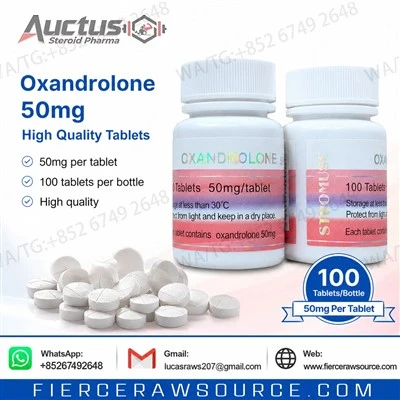
![50mg Anavar (Oxandrolone) Tablets Premium Quality Manufacturer]() 50mg Anavar (Oxandrolone) Tablets Premium Quality ManufacturerIn today's pharmaceutical and research market, product consistency has become just as important as the activeread more
50mg Anavar (Oxandrolone) Tablets Premium Quality ManufacturerIn today's pharmaceutical and research market, product consistency has become just as important as the activeread more -
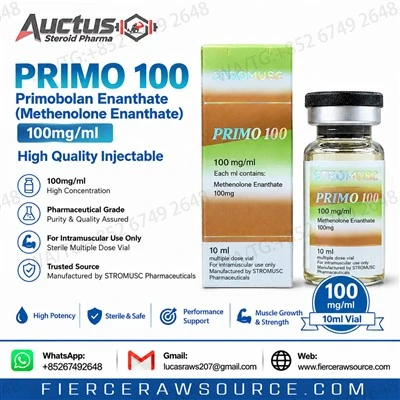
![Primobolan Enanthate 100 (Methenolone Enanthate): Product Overview, Properties Applications]() Primobolan Enanthate 100 (Methenolone Enanthate): Product Overview, Propertie...Primobolan Enanthate 100, also known as Methenolone Enanthate, is an oil-based injectable formulation containingread more
Primobolan Enanthate 100 (Methenolone Enanthate): Product Overview, Propertie...Primobolan Enanthate 100, also known as Methenolone Enanthate, is an oil-based injectable formulation containingread more -
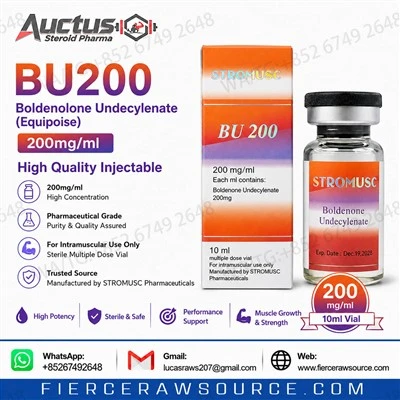
![BU200 Boldenolone Undecylenate Injectable Oil - High-quality Oil.]() BU200 Boldenolone Undecylenate Injectable Oil - High-quality Oil.BU200 typically refers to an oil-based product with Boldenolone Undecylenate as the main ingredient and a labeledread more
BU200 Boldenolone Undecylenate Injectable Oil - High-quality Oil.BU200 typically refers to an oil-based product with Boldenolone Undecylenate as the main ingredient and a labeledread more -
![Sustanon 250 (TP, TPP, TIS, TDECA) 10ml Oil – Four-Ester Testosterone Blend For Consistent Pharmaceutical Quality]() Sustanon 250 (TP, TPP, TIS, TDECA) 10ml Oil – Four-Ester Testosterone Blend F...Sustanon 250 is a classic four-ester testosterone blend designed around a simple but distinctive concept: combiningread more
Sustanon 250 (TP, TPP, TIS, TDECA) 10ml Oil – Four-Ester Testosterone Blend F...Sustanon 250 is a classic four-ester testosterone blend designed around a simple but distinctive concept: combiningread more -
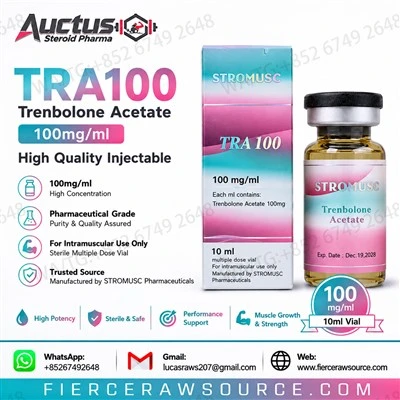
![Premium Trenbolone Acetate (TRA100) 100mg/ml – 10ml Injectable Oil]() Premium Trenbolone Acetate (TRA100) 100mg/ml – 10ml Injectable OilTrenbolone Acetate (TRA100) 100mg/ml is a premium injectable oil formulated with high-purity Trenbolone Acetate rawread more
Premium Trenbolone Acetate (TRA100) 100mg/ml – 10ml Injectable OilTrenbolone Acetate (TRA100) 100mg/ml is a premium injectable oil formulated with high-purity Trenbolone Acetate rawread more -
![High-Quality Testosterone Enanthate (TE250) 10ml Oil]() High-Quality Testosterone Enanthate (TE250) 10ml OilIn the sophisticated landscape of male endocrine therapy and androgen replacement therapy (TRT), the 10ml specificationread more
High-Quality Testosterone Enanthate (TE250) 10ml OilIn the sophisticated landscape of male endocrine therapy and androgen replacement therapy (TRT), the 10ml specificationread more