Knowledge Content
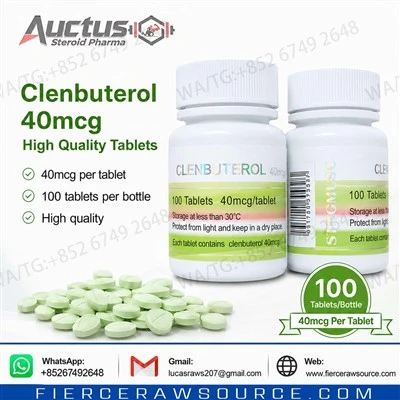
From a chemical and pharmacological perspective, clenbuterol's molecular structure lacks the steroid core "cyclopentaphenanthrene" backbone, but instead is based on an "aminoethanol" structure. It primarily targets the body's β2-adrenergic receptors, which are widely distributed on the surface of bronchial smooth muscle, skeletal muscle fibers, and white fat cells. As a selective β2 agonist, its affinity for β2 receptors is 20-30 times that of β1 receptors (primarily located in the heart). Therefore, at conventional doses (20-120 μg daily), it can both relieve asthma symptoms by relaxing bronchial smooth muscle (its original clinical use) and activate metabolic pathways in fat cells and muscle cells. Its cardiac stimulation is far less than that of non-selective β agonists (such as salbutamol).https://www.fiercerawsource.com/steroid-finished/steroid-finished-tablets/stromusc-brand-40mcg-clenbuterol-100-tablets.html
Its core differences from traditional steroids lie in three key areas: First, they differ in their target sites. Steroids regulate gene expression by binding to androgen receptors, achieving muscle hypertrophy and anabolic steroids, while Clenbuterol activates β2 receptors to trigger second messenger pathways (such as the cAMP-PKA pathway) without any gene regulation. Second, they differ in their core effects. Steroids focus on "muscle building and anabolic steroids," while also offering some fat-burning benefits. Clenbuterol, on the other hand, primarily promotes "efficient fat burning" and lacks direct muscle growth. It can only achieve muscle preservation by reducing muscle breakdown (by inhibiting the ubiquitin-proteasome system). Third, they differ in their side effects. Steroid side effects are primarily endocrine (such as testosterone suppression and breast hyperplasia) and hepatic (17α-alkylated steroids), while Clenbuterol's side effects primarily affect the cardiovascular system (such as palpitations and blood pressure fluctuations) and muscle tremors (caused by β2 receptor activation of skeletal muscle), without any endocrine disruption.
In the fitness setting, Clenbuterol's applications focus on aiding fat loss and enhancing athletic performance. During the fat loss phase, it activates hormone-sensitive lipase (HSL) in adipocytes, accelerating the breakdown of triglycerides into free fatty acids while also increasing mitochondrial fat oxidation. Clinical data show that a daily dose of 80 μg can increase fat oxidation by 30%-40% and reduce muscle loss caused by a low-carb diet (especially during pre-competition periods when body fat percentage is below 10%). For performance enhancement, it increases blood flow and oxygen supply to skeletal muscle, delaying lactic acid accumulation and boosting moderate-to-high-intensity aerobic endurance (such as a one-hour run) by 15%-20%. However, it has no significant effect on strength training performance.
It's important to note that Clenbuterol's "non-steroidal" nature doesn't mean it's risk-free: long-term use (over 6-8 weeks) can lead to β2 receptor desensitization, necessitating a "stepped dose reduction" or "intermittent use" (e.g., 2 weeks on, 1 week off) to maintain effectiveness. Excessive use (over 200 μg/day) can overcome β2 receptor selectivity, activate β1 receptors, and cause arrhythmias, necessitating strict dosage control. Essentially, Clenbuterol is a "metabolic modulator" rather than a "muscle-building drug." Its role should be as an adjunct to a steroid cycle, not as a replacement for the core role of steroids.