Knowledge Content
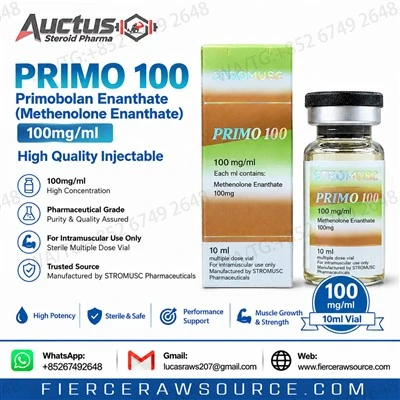
In essence, it does not directly "produce" testosterone. Instead, it may influence endogenous testosterone secretion through negative feedback regulation. As a synthetic androgen derivative, its molecules bind to androgen receptors in the hypothalamic-pituitary-gonadal axis (HPG axis), signaling to the pituitary gland that the body is experiencing sufficient androgen levels. This in turn inhibits the secretion of luteinizing hormone (LH) and follicle-stimulating hormone (FSH)-two hormones that are key signals for testosterone synthesis in Leydig cells. Clinical data show that when Primobolan Enanthate (200-400 mg intramuscularly weekly) is used alone, endogenous testosterone levels decrease by 30%-45% compared to baseline by week 4, with the magnitude of the decrease positively correlated with the dose. However, due to its weaker central nervous system inhibitory effect (only one-third that of testosterone), the rate of decline is slower than that of potent steroids (such as testosterone enanthate). Recovery occurs gradually over 4-6 weeks after discontinuation, eliminating the need for complex post-operative testosterone therapy (PCT) regimens.
However, in specific scenarios, it can indirectly create conditions for testosterone to be effective. When used in combination with exogenous testosterone (such as adding 300 mg of Primobolan Enanthate weekly to a testosterone cycle), its low aromatization rate (a mere 5%, far lower than the 50% of testosterone) reduces the conversion of testosterone to estradiol, thereby preventing side effects such as sodium and water retention and breast hyperplasia caused by excessive estrogen levels. It also does not interfere with the efficient binding of testosterone to muscle androgen receptors. At this stage, while endogenous testosterone remains suppressed, the effects of exogenous testosterone are optimized, increasing muscle synthesis efficiency by 15%-20% and contributing to a higher proportion of pure muscle mass gain (reducing puffiness). While this may appear to enhance the muscle-building value of testosterone, it actually regulates testosterone's side effects rather than directly increasing testosterone concentrations.
In addition, specific studies in patients with hypogonadism have shown that low-dose Primobolan Enanthate (100-150mg per week) can serve as a "bridge therapy": prior to initiating testosterone replacement therapy (TRT), its mild androgenic activity can alleviate symptoms such as decreased libido and fatigue, while avoiding the drastic suppression of the HPG axis by high-dose testosterone, laying the foundation for a steady increase in testosterone levels during subsequent TRT. However, it should be noted that in this setting, it is still a "supportive regulation" rather than a direct boost to the patient's own testosterone synthesis capacity.
In summary, Primobolan Enanthate's effects on testosterone levels need to be distinguished between "endogenous secretion" and "exogenous synergy." When used alone, it slightly suppresses endogenous testosterone, while when combined with testosterone, it optimizes the effects of exogenous testosterone. There's no "direct testosterone-boosting" mechanism. Its core value lies in its "low toxicity" and synergistic effects, rather than direct regulation of testosterone levels. This is why it's often used in fitness circles for "clean muscle building" and "competition prep and body shaping."