News Content
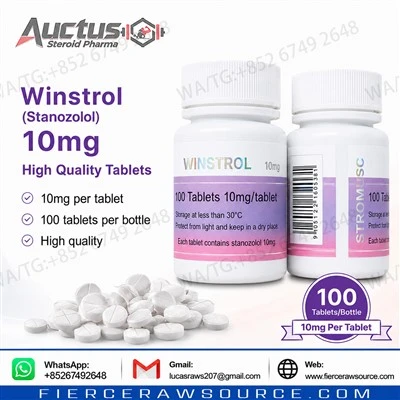
First of all, the most significant effect of Winstrol is to help increase muscle density and power output. Unlike many steroids that are prone to edema, Winstrol does not cause significant water retention in the body, which means that users get tighter muscles and more obvious lines. It is usually used during the fat loss period or the preparation stage to create a clearer muscle contour for users by retaining lean tissue, promoting fat metabolism, and reducing muscle loss. In addition, Winstrol can also improve red blood cell production and increase muscle oxygen efficiency, thereby enhancing endurance and athletic performance, which is one of the reasons why some track and field athletes have used this drug as a competitive aid in history.
Secondly, Winstrol's role in improving strength performance should not be underestimated. Many users report that their own explosive power and training intensity have significantly improved during the Winstrol cycle, and they can undertake higher load training, thereby further promoting muscle development. More importantly, this enhancement does not come from weight gain, but from more efficient muscle fiber activation and energy utilization, which is of great significance for projects that require weight control, such as boxing, wrestling, and gymnastics.
In the medical field, Winstrol is also used to treat muscle atrophy, osteoporosis, and certain types of anemia caused by disease or surgery. It can promote protein synthesis and help patients speed up body reconstruction during the recovery period. However, due to its potential side effects, its medical use has been greatly reduced, and most countries have strictly controlled its scope of use, and only doctors prescribe it in special circumstances.
But like all synthetic steroids, Winstrol's effects are double-edged swords. It is particularly burdensome to the liver, especially in oral form. Long-term use may cause elevated liver enzymes and even liver damage. In addition, Winstrol inhibits the secretion of natural testosterone, leading to disorders of the hormone axis, causing symptoms such as loss of libido, mood swings, and reduced sperm count. For women, due to its strong androgenic effect, Winstrol is prone to induce masculine performance, such as a thicker voice, increased hair, and irregular menstruation. Another less discussed but real side effect is dry and painful joints. Due to its inhibition of soft tissue water retention, users are more likely to suffer joint injuries during high-intensity training.
Despite this, Winstrol is still a frequently mentioned name in bodybuilding and competitive sports. This is partly due to its effective body sculpting ability, and partly reflects the market's continued desire for "quick body shaping". But it should be clear that anyone who tries to use Winstrol should be aware of its potential risks and proceed under the guidance of professionals, including key links such as cycle arrangement, dosage control, auxiliary drug combination and PCT (post-cycle treatment).
Overall, Winstrol's effects on the body are manifested in increasing protein synthesis rate, enhancing muscle stem density, promoting red blood cell production, improving strength and explosive power, and having a certain repair effect in medicine. However, at the same time, it may also bring adverse reactions such as hormone imbalance, liver damage, joint problems and sex hormone disorders. Correctly and scientifically understanding the mechanism of action of Winstrol is the premise for the rational use of such drugs, and it is also a necessary guarantee to ensure physical health. Only by abandoning the impulse of blindly pursuing effects and using it within the framework of safety regulations can we truly benefit from it and avoid its potential harm